
Last updated: 2026-04-23
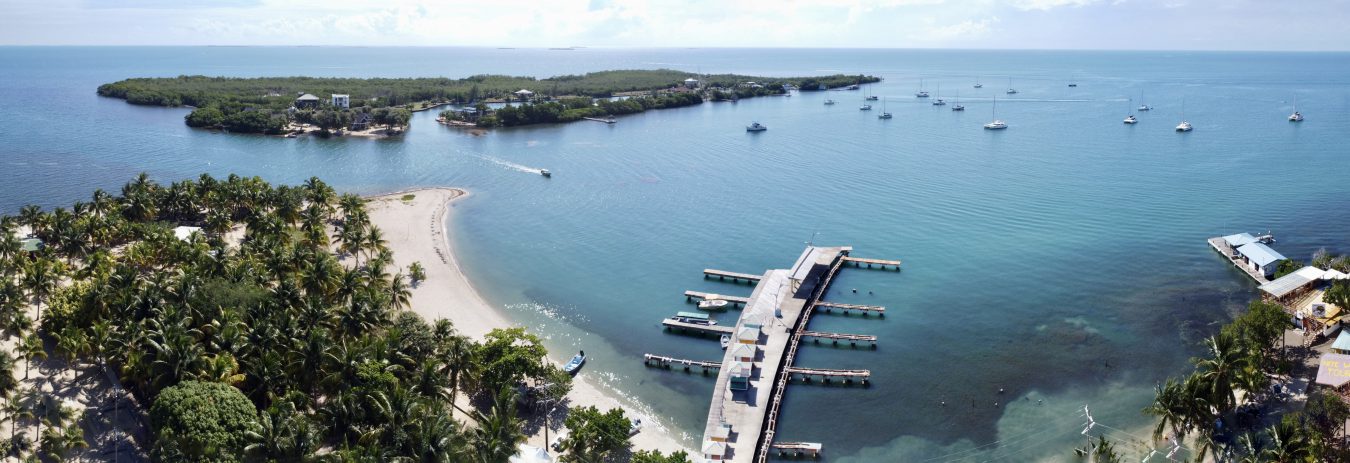
Placencia is a 16-mile peninsula at the southern edge of Belize’s Caribbean coast. Most people have never heard of it. That’s the point. You come here when you want warm water, a walkable beach village, and the kind of quiet that makes you reset your watch to island time, or throw it in a drawer entirely.
This is the guide I wish I’d had before my first visit. It covers the practical stuff (how to get here, when to come, what it costs) and the local stuff (where to eat, how to rent a cart, what not to over-plan).
How to get to Placencia
There are two legitimate paths:
- Fly into Belize City (BZE), then hopper flight to Placencia (PLJ). Tropic Air and Maya Island Air run ~12 daily flights; 35 minutes in the air; $110–$180 one way. Most first-timers do this because it’s painless.
- Shuttle from Belize City. 4 hours by road on the Hummingbird and Southern Highways. ~$50 per person with a shared shuttle; great if you want to see the jungle on the way down.
Both airports connect to the global carriers (American, Delta, United, Southwest) through BZE. From most US hubs you’re on the ground in Placencia the same day you left home.
Where to stay
The village has three loose zones:
- The Sidewalk. A narrow pedestrian-only path that runs along the beach. Most of the best bars, restaurants, and our MeMe’s Place units are directly on it. You step out your door and you’re 30 seconds from your morning coffee.
- The Main Road. Parallel to the Sidewalk, car-accessible, where the grocery stores and ATMs live. Quieter at night.
- Maya Beach. Seven miles north of the village, more secluded, nicer beach, but you’ll need a car to eat anywhere.
First-timers almost always want the Sidewalk. It puts you inside the village instead of adjacent to it.
Best time to visit
High season is December through April: dry, sunny, mid-80s, everyone’s out on the water. Shoulder season (May, November) is shoulder-priced with mostly-great weather. Rainy season (June–October) gets afternoon showers, cheaper rates, and empty beaches, with a real hurricane-risk window in September and October.
Our favorite window: mid-November to mid-December. Dry enough, warm enough, before the Christmas rush doubles every hotel rate in the country.
What to do
Belize’s barrier reef, the second-largest in the world, sits 12 miles off the coast. That’s the main event. Beyond the reef:
- Snorkel at Laughing Bird Caye. A UNESCO marine reserve 40 minutes by boat. Morning tours only; afternoon wind ruins visibility.
- Dive Silk Caye or Gladden Spit. Whale sharks aggregate at Gladden in April and May. Pre-book during those months.
- Inland: Maya ruins & cacao. Nim Li Punit, Lubaantun, and the Toledo cacao belt are all day-trip distance. Skip if you’re only here 3–4 nights.
- Monkey River half-day. Mangroves, howler monkeys, crocodiles, and a lunch stop. The kid-friendly option.
What Placencia actually costs
Belize uses the Belize Dollar (BZD), fixed at 2 BZD to 1 USD. Most businesses price in USD. Budget rough figures for two people:
- Beachfront rental (1BR, Sidewalk): $125–$275/night. Our rooms fall in this range.
- Dinner for two with drinks: $40–$80.
- Half-day snorkel tour per person: $85–$125.
- Golf cart rental (most common transit): $60–$80/day.
A relaxed seven-day trip runs about $2,800–$4,500 for two including a few tours. Families in one of our 2BR villas or groups in the Estate get dramatically better per-person economics.
The village rhythm (what nobody tells you)
Placencia runs slow. Restaurants close for lunch breaks. Tour operators start late on Sundays. Everyone waves. This isn’t a bug, it’s the whole point. Give yourself one buffer day at the start to decompress before you try to do anything; you’ll enjoy the rest of the trip twice as much.
When you’re ready to book
MeMe’s Place has ten units directly on the Sidewalk, from a 1BR for couples to a 9-bedroom Estate for family reunions. Book direct and skip the OTA fees, code DIRECT10 gives you 10% off your first stay.
Month-by-Month Calendar
Every Placencia month has a slightly different face. Weather, reef visibility, crowd level, and season tier shift from January to December. Pick the month you are planning for:
- Placencia in January
- Placencia in February
- Placencia in March
- Placencia in April
- Placencia in May
- Placencia in June
- Placencia in July
- Placencia in August
- Placencia in September
- Placencia in October
- Placencia in November
- Placencia in December
Activities and Day Trips from Placencia
The six most-booked experiences from Placencia, each with its own guide including operators, cost bands, and which MeMe’s Place unit fits the typical party:
- Things to Do in Placencia (hub)
- Scuba Diving
- Fishing (permit, bonefish, tarpon, offshore)
- Whale Shark Encounters (Apr-Jun)
- Cave Tubing Day Trip
- Mayan Ruins Day Trip
- Kayaking
Frequently Asked Questions
What is the best time to visit Placencia, Belize?
High season runs late November through mid-June with dry weather and peak reef visibility. For the best balance of weather and price, aim for May or early June. See our month-by-month guide linked below for specifics.
Do I need a passport to visit Belize?
Yes. U.S., Canadian, UK, EU, and Australian passports are accepted visa-free for stays up to 30 days. Your passport must be valid for at least 6 months beyond your entry date.
How do I get from Belize City to Placencia?
The fastest option is a 40-minute puddle-jumper on Tropic Air or Maya Island Air from Philip S.W. Goldson International Airport (BZE) to the Placencia airstrip (PLJ). Road transfers take about 3.5 hours by shared shuttle or private driver.
Is Placencia safe for tourists?
Placencia village is one of the safer Caribbean destinations for travelers, including families. The Sidewalk is pedestrian-only, and the village has a strong local community focus on visitor welfare. Standard travel caution applies as anywhere.
What language is spoken in Placencia?
English is the official language of Belize and is spoken throughout Placencia. You will also hear Kriol (a Belizean Creole), Spanish, and Garifuna in day-to-day life. No language barrier for English-speaking visitors.
